
Wellness · September 5, 2026
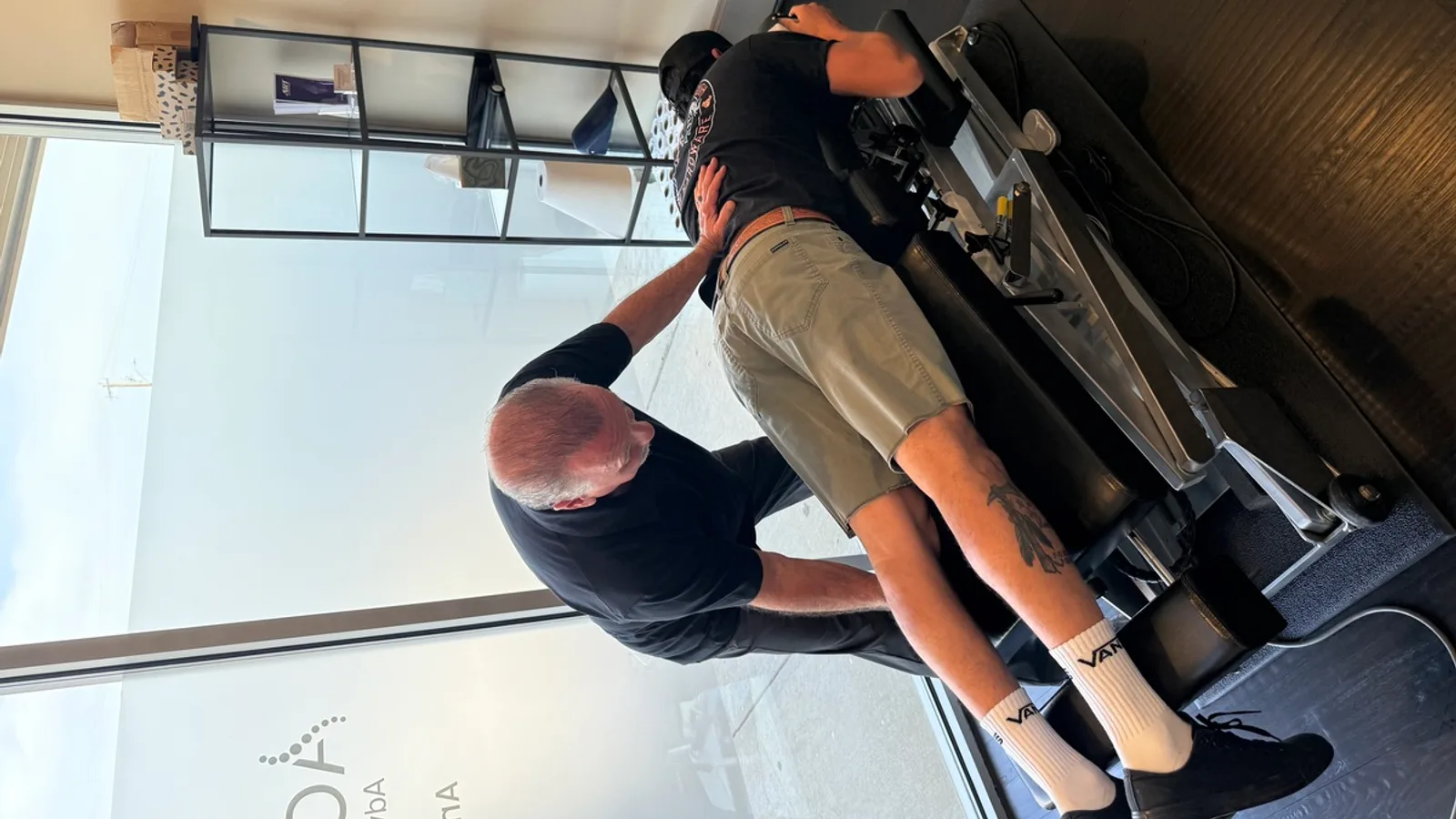
If you've ever stood up from your desk after a long meeting and felt like your body had aged ten years in ninety minutes, you're not alone. More people in the Heath, TX area — and across the country — are waking up stiff, sitting down sore, and going to bed achy without any clear injury to blame. There's no dramatic accident, no sports collision, no single moment they can point to. The pain just... showed up. And it keeps coming back. Understanding why that happens is the first step toward actually fixing it — and that's exactly what this article is about.
What Is “The Modern Body Problem”?
The modern body problem refers to the cumulative physical strain that everyday life places on the human musculoskeletal system — strain that our bodies were never designed to handle. Prolonged sitting, repetitive motion, forward head posture, chronic stress, and sedentary habits create a slow buildup of soft tissue dysfunction, nerve irritation, and postural imbalance. Over time, these forces accumulate into real pain and real limitations — even without a single traumatic injury.
- Why Modern Life Hurts: The Biology Behind Everyday Pain
- The Common Daily Culprits Behind Chronic Aching
- What's Actually Happening Inside Your Body
- How Chiropractic and Soft Tissue Care Fit In
- Practical Daily Habits to Protect Your Body
- When to See a Specialist
- Myths vs. Facts About Everyday Body Pain
- Final Thoughts From Active Release TX
Why Modern Life Hurts: The Biology Behind Everyday Pain
The human body is an extraordinary machine — but it was built for movement, not stillness. For the vast majority of human history, people spent their days walking, lifting, crouching, climbing, and shifting positions constantly. Today, many of us spend eight to ten hours in a seated position, staring at a screen, with our heads tilted forward and our shoulders rounded inward. That fundamental mismatch between how our bodies were designed and how we actually use them is at the core of the modern body problem.
When we hold any position for an extended period — especially one that's slightly off from neutral alignment — our muscles, tendons, and connective tissue begin to adapt. Muscles that are consistently held in a shortened position become tight and restricted. Muscles that are chronically overstretched become weak and underactive. Over time, this imbalance changes the way joints load and move, which puts additional stress on surrounding structures including nerves, discs, and soft tissue. The result is the kind of nagging, hard-to-explain discomfort that millions of people write off as "just getting older."
Here in Heath, TX, Dr. Anthony Criscuolo sees this pattern every day at Active Release TX. Patients often arrive having tried rest, pain medication, or stretching with limited results — because none of those approaches addressed the underlying mechanical issue driving their pain. The body isn't broken. It's adapted. And what adapts can be corrected.
The Common Daily Culprits Behind Chronic Aching
The most dangerous thing about modern lifestyle strain is that it doesn't feel dangerous in the moment. Nobody gets hurt sitting at a desk. But the accumulation of hours, days, and years of poor positioning and repetitive movement creates a significant burden on the neuromusculoskeletal system. Here are the most frequent contributors Dr. Anthony Criscuolo identifies in patients at Active Release TX.
Prolonged Sitting and Desk Work
Sitting compresses the lumbar discs, shortens the hip flexors, and reduces circulation to the lower body. When the hip flexors remain in a shortened position for hours at a time, they begin pulling the pelvis into an anterior tilt — which increases lumbar curve, strains the lower back muscles, and sets off a chain reaction up through the spine. Many people feel this as low back tightness, hip stiffness, or even radiating discomfort down the legs.
Forward Head Posture and Screen Use
For every inch the head moves forward from its neutral position over the spine, it effectively adds significant load to the cervical spine and surrounding musculature. Hours of looking at laptops, phones, and monitors in a forward-leaning position place chronic stress on the neck, upper back, and shoulder girdle. This is one of the most common drivers of headaches, neck stiffness, and upper trapezius tension that Dr. Anthony Criscuolo treats at Active Release TX in Heath, TX.
Repetitive Movement Patterns
You don't have to work at a desk to accumulate this kind of strain. Repetitive tasks — whether that's typing, driving, construction work, or even certain athletic activities — train the nervous system and soft tissue into highly specific movement patterns. Over time, those patterns can create overuse in some muscle groups and underuse in others, leading to the kind of compensatory dysfunction that is often at the root of chronic pain.
Stress and Tension Holding Patterns
Psychological stress has a direct physical effect on the body. Chronic stress activates the sympathetic nervous system, which can increase muscle tension — particularly in the neck, shoulders, and jaw. Many patients in the Rockwall and Heath area don't connect their work stress to their physical symptoms, but the relationship between mental and musculoskeletal health is well established in the research literature.
What's Actually Happening Inside Your Body
One of the most important things Dr. Anthony Criscuolo emphasizes at Active Release TX is that pain is rarely just where it hurts. The body is an interconnected system, and the source of dysfunction is frequently different from the location of symptoms. Understanding what's actually happening at a tissue level helps explain why so many people struggle to find lasting relief from conventional approaches.
When muscles, tendons, or fascia are overused, repetitively stressed, or held under constant tension, they can develop what are known as adhesions — areas where tissue binds together and loses its normal sliding, gliding motion. These adhesions alter the way muscles function, restrict joint movement, and can compress or irritate nearby nerves. The result can be pain, weakness, reduced range of motion, or a sensation of tightness that never fully goes away — no matter how much you stretch.
Nerve entrapment is another common consequence of soft tissue dysfunction. Nerves run through and around muscles, tendons, and other structures. When adhesions form, they can narrow the pathway a nerve travels through, creating symptoms that range from localized tenderness to numbness, tingling, or referred pain into the arms or legs. Many cases of so-called "mystery pain" that don't show up clearly on imaging have a soft tissue or nerve entrapment component that has simply been overlooked.
This is the kind of root-cause thinking that defines the clinical approach at Active Release TX. Rather than treating the location of pain, the focus is on identifying the actual source of dysfunction — which requires a level of neuromusculoskeletal expertise that goes well beyond standard chiropractic assessment.
How Chiropractic and Soft Tissue Care Fit In
Chiropractic care, particularly when it includes advanced soft tissue techniques, is well-suited to addressing the kinds of problems that modern lifestyle creates. Evidence from organizations like the American College of Physicians and the National Center for Complementary and Integrative Health supports conservative, non-pharmacological care as a first-line approach for musculoskeletal pain. Chiropractic care falls squarely within that category — and at Active Release TX, it goes several layers deeper.
Active Release Technique (ART) is one of the most rigorously developed and widely respected soft tissue systems in the world. It is used by professional sports teams, elite military personnel, and leading sports medicine clinics to address exactly the kind of adhesion-based dysfunction described above. ART works by applying precise tension to specific soft tissue structures while guiding the patient through controlled movements — breaking up adhesions, restoring normal tissue motion, and releasing entrapped nerves. Research suggests that this approach can produce meaningful improvements in pain, range of motion, and function for a wide range of musculoskeletal conditions.
What makes Active Release TX distinct is the level at which ART is applied. Dr. Anthony Criscuolo has been a certified ART instructor for over 33 years — meaning he has spent decades teaching this technique to other healthcare providers. The depth of clinical intuition and precision that comes from that level of mastery is genuinely uncommon. Patients receiving care here aren't working with a provider who attended a weekend workshop. They're receiving care from one of the most experienced ART practitioners in the country.
In addition to ART, the care at Active Release TX may include chiropractic adjustments, movement-based rehabilitation guidance, and a thorough neuromusculoskeletal assessment designed to identify compensatory patterns and movement dysfunction. The goal is never to manage symptoms indefinitely — it's to understand what's actually wrong and fix it at the source.
Practical Daily Habits to Protect Your Body
While professional care can make a tremendous difference, there are meaningful steps you can take in your daily life to reduce the burden that modern habits place on your body. These aren't quick fixes — they're small, consistent changes that add up over time.
Movement breaks are one of the most impactful things a desk worker can do. Setting a timer to stand, walk, or simply shift positions every 30 to 45 minutes helps disrupt the prolonged static loading that causes so many of the problems described above. Even a two-minute walk around your workspace can restore circulation and reduce muscular tension.
Monitor and screen positioning matters more than most people realize. Ideally, the top of your monitor should be at or just below eye level, and your screen should be an arm's length away. This reduces the tendency to crane the neck forward and decreases strain on the cervical spine and upper back. Laptop users should be especially mindful, as the combined keyboard and screen in a low position almost forces a forward head posture.
Hip flexor and chest opening movements — performed gently and consistently — can help counteract the postural demands of prolonged sitting. These don't have to be elaborate stretching routines. Simple movements that encourage extension in the thoracic spine and lengthen the front of the hip can help restore balance to a body that spends too many hours in flexion. If you're unsure where to start, the team at Active Release TX in Heath, TX can provide guidance specific to your movement patterns.
When to See a Specialist
Some degree of occasional stiffness is normal — particularly after long periods of inactivity or an unusually demanding day. But there are clear signals that suggest it's time to have your body professionally evaluated rather than hoping the problem resolves on its own.
If you've had recurring pain in the same area for more than two to three weeks, that's a meaningful indicator that something in your movement or tissue health needs to be addressed. Pain that is progressing — getting more frequent, more intense, or occurring in more locations — is another sign that the underlying issue is worsening rather than resolving. Numbness, tingling, or weakness in the arms, hands, legs, or feet warrant prompt evaluation, as these symptoms may indicate nerve involvement.
Red flags that should prompt immediate medical attention include severe, sudden-onset pain, significant trauma, loss of bladder or bowel control, or pain accompanied by fever or unexplained weight loss. These symptoms require medical assessment before chiropractic or soft tissue care is appropriate.
For everything else — the nagging stiffness, the persistent tension headaches, the low back that never quite feels right, the shoulder that catches — Active Release TX is exactly the kind of specialized environment designed to get to the bottom of what's driving your symptoms. Dr. Anthony Criscuolo brings 42 years of clinical experience to every evaluation, with a focus on finding answers rather than simply managing pain.
How Everyday Habits Stack Up Against Your Body's Needs
| Modern Daily Habit | Physical Impact | What Your Body Actually Needs |
|---|---|---|
| Sitting 6–10 hours at a desk | Hip flexor shortening, lumbar compression, weakened glutes | Regular movement breaks, hip extension, standing variation |
| Forward head posture from screens | Cervical strain, upper trap tension, headaches | Eye-level screen positioning, chin tucks, thoracic mobility |
| Repetitive one-sided movements | Muscular imbalance, soft tissue adhesions, joint overload | Cross-training, opposing movement patterns, soft tissue care |
| Chronic psychological stress | Elevated muscle tension, especially neck and shoulders | Stress management, breathwork, tissue release techniques |
| Minimal daily physical activity | Reduced circulation, tissue stiffness, joint deconditioning | Low-impact aerobic movement, mobility work, professional assessment |
Myths vs. Facts About Everyday Body Pain
Myth: "If I didn't injure myself, the pain isn't a real problem."
Fact: Many of the most significant musculoskeletal conditions develop gradually through repetitive stress and postural adaptation — not acute injury. The absence of a specific traumatic event does not mean the pain is minor, psychological, or untreatable. Cumulative strain is a well-recognized mechanism of neuromusculoskeletal dysfunction.
Myth: "Stretching more will eventually fix the tightness."
Fact: If the tightness is caused by soft tissue adhesions or nerve entrapment — rather than simple muscle shortness — stretching alone is unlikely to produce lasting relief. Stretching places tension on tissue, but it doesn't break up the adhesive changes that restrict normal movement. Targeted soft tissue treatment is often necessary to address the underlying cause.
Myth: "This kind of pain is just part of getting older."
Fact: While some degree of tissue change occurs with age, chronic everyday pain is not an inevitable or untreatable consequence of aging. Many patients in their 50s, 60s, and beyond experience significant improvement when the actual mechanical cause of their pain is properly identified and treated. Age alone is rarely the explanation.
Myth: "Rest is the best medicine for musculoskeletal pain."
Fact: For most types of soft tissue and joint pain, prolonged rest is not the most effective approach and can sometimes allow dysfunction to worsen. Evidence increasingly supports active, movement-based care as superior to passive rest for the majority of musculoskeletal conditions. Appropriate movement, guided by a qualified clinician, is typically a central part of recovery.
Myth: "If imaging didn't show anything, there's nothing wrong."
Fact: Soft tissue adhesions, nerve entrapments, and many muscular imbalances do not show up clearly on standard X-rays or even MRIs. A normal imaging result does not rule out real, clinically significant dysfunction. A thorough hands-on neuromusculoskeletal assessment is often far more informative for these types of problems than imaging alone.
Final Thoughts From Active Release TX in Heath, TX
The aches and stiffness that so many people in the Heath, Rockwall, and greater eastern Dallas area are experiencing are not a mystery — and they are not inevitable. They are the predictable result of a mismatch between how the human body was designed and the demands of modern life. The good news is that with the right assessment and the right care, most of these problems respond extremely well to treatment.
At Active Release TX, Dr. Anthony Criscuolo has spent over four decades helping patients understand not just what hurts, but why — and more importantly, what can actually be done about it. With one of the rarest credentials in the chiropractic profession, 33 years of experience teaching Active Release Technique to other providers, and a clinical philosophy built on finding the root cause rather than masking symptoms, this is genuinely specialty-level care available right here in the community.
If you've been dealing with nagging pain, persistent stiffness, or that frustrating sense that your body just doesn't move the way it used to — you don't have to keep guessing. The answers exist. And finding them might be closer than you think.
Frequently Asked Questions
Can everyday activities really cause the same kind of pain as a sports injury?
Absolutely. Repetitive stress and prolonged postural strain are well-established mechanisms of musculoskeletal injury. The tissue changes that result from cumulative everyday habits can be just as significant as those from acute trauma — and often take longer to identify because there's no single obvious event to point to.
How is Active Release Technique different from regular chiropractic care?
Traditional chiropractic care focuses primarily on joint manipulation and alignment. Active Release Technique is a specialized soft tissue system that targets adhesions, scar tissue, and nerve entrapments within muscles, tendons, ligaments, and fascia. The two approaches are complementary, and combining them — as is done at Active Release TX — often produces more comprehensive results than either alone.
How long does it typically take to see improvement with this type of care?
This varies depending on how long the problem has been present, the specific tissues involved, and individual health factors. Many patients notice meaningful improvement within the first few visits, though longstanding or complex cases may require a more extended course of care. Dr. Anthony Criscuolo will give you an honest assessment of what to expect based on your specific situation.
Is this type of care appropriate for people who aren't athletes?
Yes — the vast majority of patients at Active Release TX are not professional athletes. Active adults, office workers, tradespeople, and anyone experiencing soft tissue pain or postural dysfunction can benefit from this approach. The techniques are adapted to each patient's needs and condition level.
What should I expect during a first visit to Active Release TX?
Your first visit will include a thorough neuromusculoskeletal assessment designed to identify the actual source of your dysfunction — not just the location of your pain. Dr. Anthony Criscuolo will evaluate your movement patterns, tissue health, and neurological function to develop a clear clinical picture before any treatment begins.
Can these problems get worse if left untreated?
In many cases, yes. Soft tissue adhesions and compensatory movement patterns tend to become more entrenched over time, especially if the daily habits contributing to them continue unchanged. Early intervention typically leads to faster and more complete resolution than waiting until symptoms become severe.
TL;DR — Key Takeaways
- Everyday habits like prolonged sitting, forward head posture, and repetitive movement create cumulative strain that leads to real musculoskeletal pain — even without a specific injury.
- Soft tissue adhesions and nerve entrapments are common underlying causes of chronic everyday aching that are frequently missed by standard diagnostic approaches.
- Active Release Technique, especially at the instructor level offered by Dr. Anthony Criscuolo at Active Release TX in Heath, TX, targets these root causes rather than simply managing symptoms.
- Simple daily habits — movement breaks, proper screen positioning, and targeted mobility work — can significantly reduce the cumulative burden on your body.
- Pain that persists beyond two to three weeks, is progressing, or involves nerve symptoms warrants professional evaluation sooner rather than later.